Monday, June 15, 2026
Google search engine
HomeArticleBrain-Based SEO in 2025: Neuro-Tactics to Crush Competitors

Brain-Based SEO in 2025: Neuro-Tactics to Crush Competitors

Hey there! You find yourself in the position of trying to rank your website first on Google searches during 2025. Sounds tough, right? The solution called Brain-Based SEO reveals mental processes which enables users to dominate their market segment. Connectivity with audience members now goes beyond keywords and traditional technology because it focuses on understanding how the human brain works to establish meaningful relationships. The most successful marketers of 2025 use brain science also known as neuroscience to outperform their competition while you can do the same.

Brain-Based SEO functions as a strategy that works with natural brain reactions to external stimuli. These methods employ powerful techniques which engage subconscious psychological triggers responsible for steering user conduct. Your ability to excel in a competitive environment will grow if you master Brain-Based SEO strategies in 2025 whether you are a marketer with experience or a small business owner. This essay will explain the important elements and specific execution methods which transform your content into something both users and search engines cannot resist.

What Is Brain-Based SEO Anyway?

Brain-Based SEO is a cutting-edge approach that merges neuroscience with traditional search engine optimization techniques to create content and strategies that resonate deeply with human cognition. At its core, Brain-Based SEO in 2025 focuses on understanding how the brain processes information, makes decisions, and forms connections—then uses these insights to craft online experiences that captivate users. Unlike conventional SEO, which often prioritizes keywords and backlinks alone, Brain-Based SEO emphasizes emotional engagement, visual appeal, and personalized interactions to ensure your content not only ranks well but also leaves a lasting impression on your audience.

For example, consider how our brains are wired to respond to storytelling or vivid imagery. When you incorporate compelling narratives or high-quality visuals into your website, you’re tapping into neural pathways that make your content more memorable and shareable. This method goes beyond simply satisfying search engine algorithms; it creates an intuitive, enjoyable experience for users, encouraging them to stay longer, explore further, and return repeatedly. In essence, Brain-Based SEO bridges the gap between what users crave and what search engines reward, making it a powerful tool for businesses aiming to thrive in 2025’s competitive digital landscape.

Using Visuals to Wow the Brain

How Images and Colors Grab Attention Fast

In the realm of Brain-Based SEO in 2025, visuals are your secret weapon for grabbing attention and keeping it. The human brain processes images 60,000 times faster than text, making visual content an indispensable tool for capturing your audience’s focus in seconds. Whether it’s a striking hero image on your homepage, an infographic breaking down complex data, or a vibrant product photo, visuals act as the first impression that hooks users before they even read a single word. Colors play a crucial role here too—warm tones like red and orange evoke urgency or excitement, while cool blues and greens instill calmness and trust. By strategically using images and colors, you’re speaking directly to the brain’s instinctive response system, ensuring your content stands out in a sea of text-heavy pages.

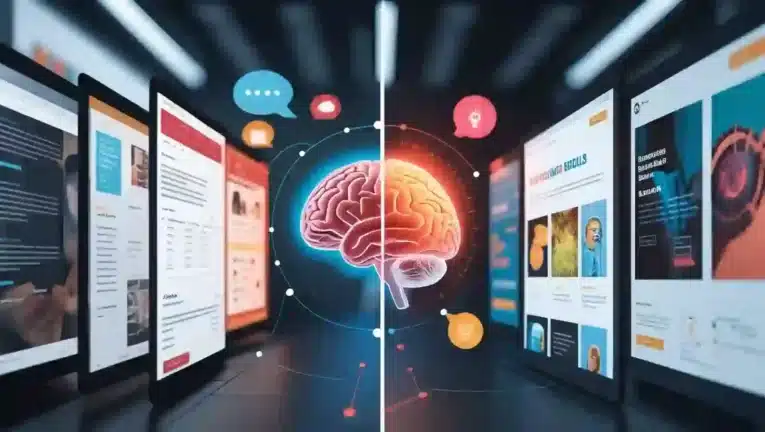
Split-screen showing text-heavy page vs. visually engaging design with brain icon, infographics, and color psychology.
A side-by-side visualization of outdated text-heavy design versus modern, brain-friendly visuals, highlighting the role of imagery and color psychology in 2025 SEO strategies.

Why Emotions Matter More Than Ever

Feelings Drive Clicks

In today’s fast-paced digital world, emotions are the secret sauce that can make or break your online success. Why? Because feelings drive clicks, shares, and loyalty—key metrics that directly impact Brain-Based SEO in 2025. Neuroscience has shown that humans are hardwired to respond to emotional stimuli, often making decisions based on how something feels rather than pure logic. This means that content evoking strong emotions—whether it’s excitement, curiosity, trust, or even nostalgia—is far more likely to capture attention and inspire action. If you want users to engage with your brand, you need to speak to their hearts, not just their minds.

Take social media, for instance. Posts that tug at heartstrings or spark joy consistently outperform neutral or purely informational content. A heartwarming story about a customer overcoming challenges with your product or an inspiring video showcasing real-life impact can create a ripple effect of engagement. When people feel connected to your message, they’re more likely to click, comment, and share it with others. And here’s the kicker: Google’s algorithms are increasingly prioritizing user behavior signals like dwell time and interaction rates, which are heavily influenced by emotional engagement. By focusing on feelings, you’re not only appealing to your audience but also signaling to search engines that your content is valuable and worth ranking higher.

Crafting Irresistible Headlines Using Neuroscience

Headlines are often the first point of contact between your content and potential readers. In Brain-Based SEO in 2025, crafting compelling headlines involves tapping into psychological principles like curiosity gaps and pattern recognition. Curiosity gaps occur when a headline hints at valuable information without revealing everything upfront, prompting users to click through to learn more. Similarly, using familiar patterns or phrases can make your headline stand out because our brains are naturally drawn to things we recognize.

The Power of Storytelling in SEO

Hook Them with a Good Tale

Stories aren’t just for bedtime—they’re a secret weapon in Brain-Based SEO. Our brains love a good yarn because they’re built to follow along and remember them better than plain info. In 2025, websites that tell stories—like how a product changed someone’s life—rank higher because people stay longer and share more. It’s like your content becomes a mini-movie that Google notices and rewards.

The power of storytelling lies in its ability to make your brand relatable and trustworthy. For instance, instead of simply listing the features of your service, share a story about how it solved a real problem for someone. Highlight the struggles, the turning point, and the positive outcome. This approach not only humanizes your brand but also builds empathy, encouraging users to see themselves in the story. As they emotionally invest in the narrative, they’re more likely to take action—whether it’s signing up for a newsletter, making a purchase, or sharing your content.

Curiosity Keeps Them Clicking

Tease Info to Spark Interest Without Giving It All Away

Curiosity is one of the most powerful drivers of human behavior, and when it comes to Brain-Based SEO in 2025, leveraging this psychological trigger can significantly boost your click-through rates. The concept is simple yet effective: by teasing information and creating a curiosity gap, you entice users to click on your content to uncover the missing pieces.

For example, instead of giving away all the details in your headline or meta description, hint at valuable insights without revealing everything upfront. A headline like The Secret to Doubling Your Traffic in 30 Days (Hint: It’s Not What You Think)sparks intrigue and compels users to learn more. This technique taps into the brain’s natural desire for closure, ensuring that your audience feels motivated to engage further.

The key to mastering curiosity-driven content lies in striking the right balance. You want to provide enough context to pique interest but leave room for discovery. Overloading your teaser with too much detail can kill the mystery, while being too vague might confuse or frustrate users. To keep them clicking, focus on crafting content that promises clear value—whether it’s solving a problem, answering a burning question, or offering insider knowledge.

Tools like listicles (“7 Secrets Only Top Marketers Know“) or cliffhangers (“You Won’t Believe What Happened Next“) are excellent formats for sparking curiosity. By strategically withholding information and rewarding users with satisfying answers, you not only increase engagement but also build trust and credibility.

Building Trust with Brain Signals

Simple Ways to Seem Legit and Safe

The human brain is wired to seek safety and credibility, especially online where scams and misinformation are rampant. To build trust with your audience, you need to send clear “brain signals” that your website or brand is legitimate and safe to engage with. One of the simplest ways to do this is by showcasing social proof, such as customer reviews, testimonials, or case studies. When users see that others have had positive experiences with your brand, it activates mirror neurons in their brains—the same ones responsible for empathy and imitation. This subconscious cue reassures them that they can trust you too, making them more likely to convert.

Another powerful way to establish trust is through transparency and consistency. For instance, prominently displaying trust badges, secure payment icons, or certifications on your site signals to users that their information is safe. Similarly, maintaining a professional design, clear navigation, and error-free content reinforces the perception of reliability. Even small details like using real photos instead of stock images or including an “About Us” page with authentic stories about your team can make a big difference.

Ultimately, trust isn’t built overnight, but every interaction counts. From the moment a user lands on your page, their brain is scanning for cues that tell them whether you’re trustworthy. By leveraging social proof, transparency, and authenticity, you’re speaking directly to those subconscious signals, creating an environment where users feel safe and valued. In 2025’s competitive digital landscape, being perceived as legitimate and reliable will set you apart from competitors—and keep your audience coming back for more.

Optimizing for Voice Search and Conversational Queries

As voice assistants like Siri, Alexa, and Google Assistant become ubiquitous, optimizing for voice search is no longer optional—it’s essential. Brain-Based SEO in 2025 recognizes that voice queries tend to be longer and more conversational than typed searches. Users are more likely to ask questions like “What are the best eco-friendly cleaning products?” instead of typing “eco-friendly cleaning products.” To capitalize on this trend, incorporate natural language and question-based keywords throughout your content.

Person using a smart speaker for voice search with glowing voice waves and digital icons representing conversational queries and FAQs.
A person interacts with a smart speaker, surrounded by glowing voice waves and icons symbolizing conversational queries, showcasing the importance of voice search optimization.

Additionally, structuring your content in a FAQ format can improve visibility in voice search results. Answering common questions succinctly and clearly increases the likelihood of your page being featured as a snippet, which Google often reads aloud in response to voice queries. Don’t forget to optimize for local SEO, as many voice searches include location-specific terms like “near me.” By adapting to the rise of voice technology, you’ll ensure your content remains accessible and relevant to modern users.

Keep It Short and Sweet

Why Brains Hate Clutter and Love Clear Ideas

Our brains are wired to avoid complexity, especially online. Here’s the scoop: our brains get tired fast when stuff’s too complicated. That’s why Brain-Based SEO in 2025 is all about keeping things short and simple. Long, messy paragraphs? Nope—your readers will bounce quicker than a kangaroo. Neuroscience shows we focus better on clear, bite-sized ideas. To keep your audience engaged, here’s how you can simplify your content:

  • Break Up Text: Use short paragraphs (3-4 sentences max) to make your content scannable.
  • Leverage Bullet Points: Highlight key takeaways so users can quickly grasp your message.
  • Cut the Fluff: Say what you mean directly without overloading your audience with unnecessary details.

The Power of Clarity: Design and Navigation in Brain-Based SEO

Beyond written content, simplicity in design and navigation plays a critical role in Brain-Based SEO in 2025 success. A clutter-free website with intuitive menus and visually appealing elements creates a seamless experience that keeps visitors on your page longer. Instead of overwhelming users with excessive details, guide them through internal links to related topics where they can explore further if interested. This approach aligns perfectly with how the brain processes information—quickly and efficiently.

  • Use Visual Hierarchy: Make important elements like headlines and CTAs stand out with bold fonts or contrasting colors.
  • Streamline Navigation: Ensure users can find what they need within 2-3 clicks to reduce frustration.
  • Incorporate White Space: Give your content room to breathe, making it easier on the eyes and the brain.

As Steve Jobs once said, “Simple can be harder than complex,” but mastering simplicity in Brain-Based SEO in 2025 ensures your message resonates without unnecessary distractions. By focusing on clarity and purpose, you’ll captivate your audience, boost engagement, and improve your rankings—all while delivering an exceptional user experience.

FAQs

1. How is Brain-Based SEO different from traditional SEO?

Traditional SEO focuses on technical aspects like keywords, backlinks, and site speed. While these elements remain important, Brain-Based SEO in 2025 dives deeper into human psychology. For example, a traditional approach might optimize a blog post for “best running shoes” by stuffing keywords. Brain-Based SEO, however, asks: Why do people search for running shoes? Is it to train for a marathon (goal-oriented), feel confident (emotional), or avoid injury (fear-driven)? By addressing these motivations, you create content that resonates on a neurological level.

2. Can small businesses use Brain-Based SEO effectively?

Absolutely! Brain-Based SEO levels the playing field for smaller players. Let’s say you run a local bakery. Instead of writing a generic blog post titled “Best Chocolate Cake Recipe,” use emotional triggers. Share a story about how your grandmother’s recipe brings back childhood memories, paired with sensory-rich images of gooey chocolate layers. Tools like AnswerThePublic can reveal questions your audience asks (e.g., “How to make a cake taste homemade?”), which you can answer with empathy.

3. Is AI replacing human SEO experts?

No—AI is a tool, not a replacement. Think of AI as a sous-chef in a kitchen. It can chop vegetables (analyze data), suggest recipes (predict trends), but can’t taste the dish (empathize with users). For example, AI tools like SurferSEO might recommend keywords, but a human decides which ones align with brand values.

4. How to start with Brain-Based SEO on a tight budget?

Begin by auditing your existing content. Ask: Does it evoke emotion? Is it easy to scan? Use free tools like Google Keyword Planner to find low-competition keywords with emotional undertones (e.g., “stress-free gardening tips”).

5. What’s the biggest mistake in Brain-Based SEO?

Ignoring user intent. Even the most emotionally charged content fails if it doesn’t answer the searcher’s query. For instance, a blog post titled “Why You’re Tired All the Time” should address medical reasons (e.g., vitamin deficiencies) before pitching energy drinks.

Conclusion

So, what’s the big takeaway from all this? Brain-Based SEO in 2025 is about merging the science of the human mind with the power of AI to create content that truly resonates. Think of it like this: if your website were a person, Brain-Based SEO would be its personality—charming, helpful, and impossible to forget.

We’ve covered a lot. You’ve learned how emotions drive clicks (thanks, FOMO!), why simplicity beats complexity every time, and how visuals can make your content pop. You’ve seen how AI tools can predict trends, but also why human creativity—like storytelling and ethical choices—keeps your brand genuine. And let’s not forget mobile-first design, voice search tweaks, and the importance of measuring what truly matters, like how long people stick around (hello, dwell time!).

The future? It’s bright—and a little mind-blowing. Imagine AI figuring out what users want before they even type a query, or virtual reality tours that make your content immersive. But no matter how tech evolves, the core stays the same: people first . At the end of the day, Brain-Based SEO isn’t about tricking algorithms. It’s about understanding people —their hopes, frustrations, and how they think. Do that well, and search engines (and customers) will reward you.

P.S. Don’t forget to grab your free Brain-Based SEO Checklist to keep these strategies handy. Let’s make 2025 your year to shine.

RELATED ARTICLES

LEAVE A REPLY

Please enter your comment!
Please enter your name here

- Advertisment -
Google search engine

Most Popular

Recent Comments